
The first thing any visitor sees when entering a restaurant or café is the visual design and layout of the space. That’s why we’re delving into the visual merchandising of the gastronomic world.
This article is recommended for restaurateurs, designers, and anyone interested in the interplay between food and aesthetic magic. We will explore how strategic visual elements can transform a dining space, enhancing the appearance and overall dining experience.
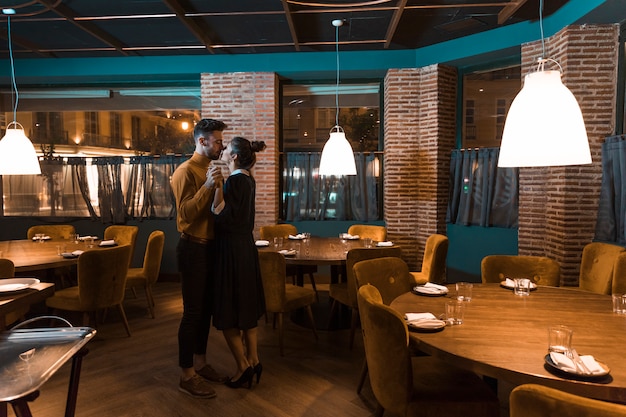
Why does visual merchandising matter in restaurants?
Before we get into specifics, let’s understand why visual merchandising in restaurants is so important. A restaurant environment is not just a dining experience.
It is an integral part of the culinary experience. From the moment a visitor enters a restaurant, every visual element – from the color palette to the lighting – plays a role in setting the mood and reflecting the restaurant’s brand.
Color schemes – setting the mood
Colors have the power to evoke emotions and create the right atmosphere. A well-chosen color palette can complement the cuisine, enhance the appetite, and reflect the restaurant’s theme.
For example, warm tones such as red and yellow can stimulate the appetite, while cool tones such as blue can create a relaxing environment. The key is balance and harmony, in line with your brand identity.
Lighting – more than just illumination
Lighting in a restaurant is for more than just functionality. It certainly sets the scene for enjoying a restaurant meal.
Soft, warm lighting can create an intimate and cozy atmosphere, while bright, excellent lighting is ideal for a lively and energetic atmosphere. Adjustable lighting solutions provide versatility for different times of the day and types of events.
The art of table setting
Table decoration is an indirect reflection of your restaurant’s style and standards. It should be consistent with the overall design theme and the culinary industry. Consider elements such as cutlery, table textiles, and decorative elements that complement each other and enhance the dining experience.
Incorporating technology in visual merchandising
Incorporating technology into the visual merchandising of a restaurant is not just a trend. It is a forward-thinking approach to improving customer engagement and optimizing operations. Let’s explore how technology can seamlessly integrate into restaurant design, offering efficiency and aesthetic appeal.
Digital menu boards – beyond the printed page
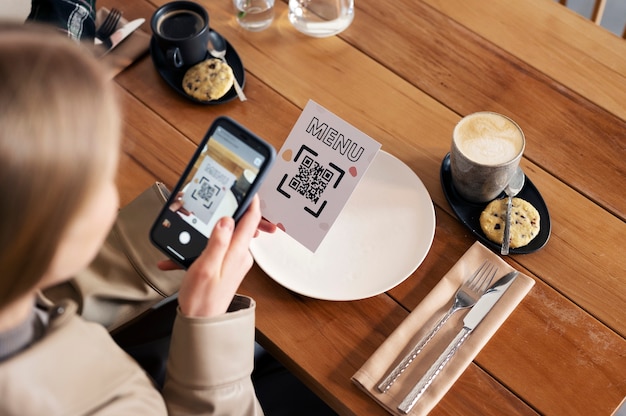
Digital menu boards have changed the way restaurants present their offer. These dynamic displays offer more than just daily specials; they visually extend a restaurant’s brand. The benefits are manifold:
- Dynamic content: Menus can be updated in real-time, allowing you to promote daily specials or seasonal items without reprinting them.
- Visual appeal: High-resolution screens can display enticing images of dishes, increasing appeal and influencing customer choice.
- Engagement: Interactive menus can provide detailed information about dishes, including ingredients and nutritional facts, thereby promoting more details on the menu.
Interactive tables – the future of dining
Interactive tables are not only the future technology – they are becoming increasingly popular in modern restaurants. These tables offer:
- Ordering efficiency: diners can browse menus, place orders, and even pay their bill directly from the table, reducing waiting times and streamlining service.
- Entertainment: while waiting for their meal, customers can engage in games or explore the restaurant’s history and offerings through interactive content.
- Personalized experience: These tables can offer customized recommendations based on pre-orders or preferences.
Augmented reality – a new dimension in dining
Augmented reality (AR) in restaurants offers immersive experiences beyond traditional dining. This technology can offer:
- Menu visualization: AR can bring menu items to life, allowing customers to see a 3D representation of the food they are ordering.
- Interactive storytelling: AR can be used to tell the story of a dish or the history of a restaurant, creating a deeper connection with customers.
- Education: For restaurants focusing on unique or exotic cuisines, AR can provide educational content on the origin and preparation of the dishes.
Social media integration – connecting with customers
Incorporating social media-friendly elements into restaurant design encourages customers to share their experiences online, making them brand ambassadors. This includes:
- “Instagrammable” places: Designing visually impactful areas or elements that customers will want to photograph and share.
- “Hashtag” promotion: Promoting brand hashtags with which customers can tag their photos, thereby increasing online visibility and engagement.
Keep trendy – what’s hot in restaurant design?
Keeping up with design trends is essential for restaurants to stay relevant and attractive.
- Sustainability: Sustainability is more than just a trend – it’s a commitment to environmentally friendly design practices. The use of recycled materials and interior landscaping not only reduces the environmental impact but also adds vitality to the interior.
- Minimalism: Minimalism focuses on simplicity and functionality, with clean lines, uncluttered spaces, and neutral color palettes that create a contemporary and elegant look.
- Experience-oriented spaces: Restaurants focusing on a unique atmosphere use themed interiors and interactive elements such as open kitchens to provide an entertaining dining experience.
- Local influence: Celebrating local culture and art, restaurants use local artwork and regional design motifs to foster community and uniqueness.
- Technology-infused design: Smart lighting systems and digital art displays combine technology with the interior, offering an ever-changing visual experience.
Conclusion
At Visualstudio.lv we understand the importance of a well-designed space, whether it’s your home or a restaurant. By implementing these visual merchandising strategies, you will enhance your dining experience and strengthen your brand identity.
Remember that a visually appealing restaurant is about design and interior, and creating an environment where every meal becomes an unforgettable experience. Learn these ideas and watch how they transform your spaces and dining offers.
For more information on interior design trends, follow visualstudio.lv. Together, let’s make every room a unique story.

Sveiki,
Man ļoti patīk radīt jaunas lietas, un ja kādam tās var pārdod, tad tas ir ļoti forši. Veidoju mēbeles pēc pasūtījuma, kā arī nogādāju tās līdz pašām mājām.