

In a world where the boundaries between home, office, and the outside world are blurred, personal touches on our belongings provide comfort and identity wherever […]
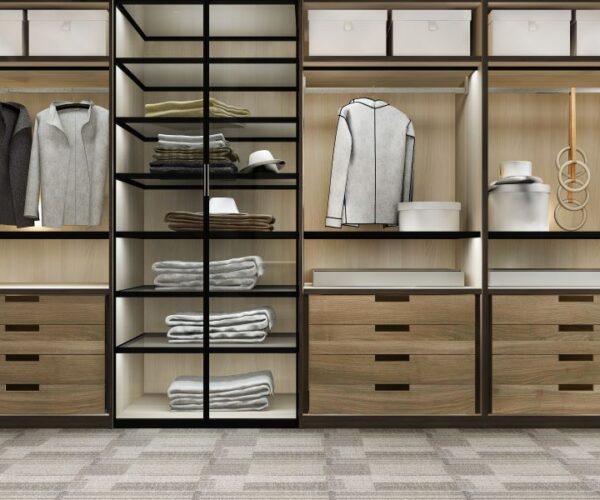
Smart Bedroom Wardrobe Technology
In today’s fast-paced world, where every minute counts, convenience and efficiency have never been more critical. Technological developments are crucial in transforming our daily routines, […]
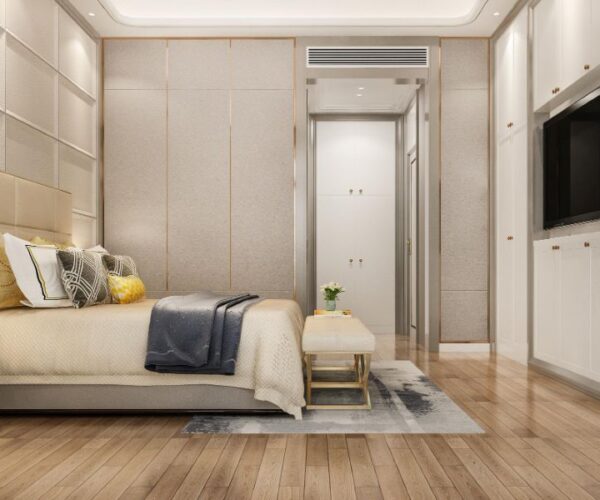
Perfect Wardrobe for Your Renovated Bedroom
Renovating your bedroom is not just about choosing the right color or bedspread. It’s about transforming your living space to reflect your personality and meet […]
Maximizing Minimal Spaces – Closets for Compact Bedrooms
In today’s quest for a calm and orderly living environment, one of the most challenging tasks can be efficiently furnishing a compact bedroom wardrobe. This […]
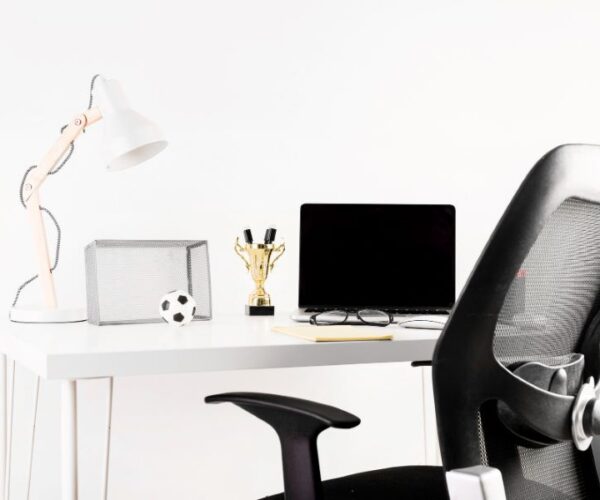
How to Choose Office Furniture?
It is essential to create a productive and aesthetically pleasing office space at home and in business. Whether you’re a freelancer looking to furnish your […]
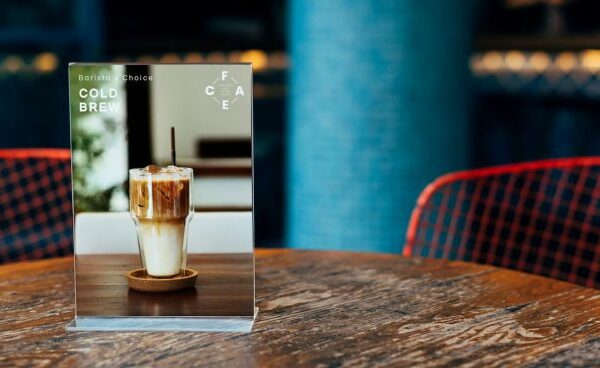
Brochure Design For Translating Company Culture
Promoting your brand is more than just selling products or services. It means to also communicate to your clients who you are as a company. […]
Outdoor Visual Merchandising Strategies for Car Dealerships

Welcome to visualstudio.lv, an energetic website celebrating the art of visual aesthetics in all forms, from cozy home interiors to dynamic workplace design. Today, we’re heading to an intriguing and often overlooked arena of visual merchandising – the outdoor spaces of car dealerships.
Continuing our research, we look at how these spaces, often seen as merely functional areas, can be transformed into powerful brand stories and customer engagement tools.
We will delve into the nuances of vehicle positioning, not just for maximum visibility but as a form of storytelling that guides the customer through a journey of discovery. We’ll explore the power of thematic displays that go beyond seasonal decorations, creating immersive experiences that resonate with customers’ lifestyles and aspirations.
Enhanced vehicle positioning for optimal exposure
Discover the secrets of advanced vehicle positioning for optimal exposure, where strategic placement meets artistic talent. How intelligent vehicle placement combined with innovative lighting techniques can improve visibility and turn your point of sale into an exciting visual spectacle both day and night.
Leveraging lighting and shadow play
In addition to the positioning of vehicles, adequate lighting can significantly improve their attractiveness. Consider the interaction of natural light and shadows throughout the day. Strategically placed flood lights can bring out the best features of a vehicle after sunset, creating a dramatic and attractive view.
Incorporating height variance
Changing the height of vehicle displays can create a dynamic visual landscape. The use of different height platforms not only draws attention to specific models and provides a visually engaging experience as the eye moves around the site.

Thematic storytelling through outdoor design
Go on a themed storytelling journey using outdoor design, where each vehicle tells its story. This segment looks at creating exciting themes that go beyond simple displays. Creating stories that resonate with your customers’ lifestyles and preferences and turning your dealership into an engaging, story-rich experience.
Creating a journey
Consider turning your point of sale into a journey or a narrative. For example, the itinerary could start with budget-friendly models, move on to family cars, and end with luxury or high-performance cars. This layout organizes the space logically and creates a story that resonates with different buyer personas.
Seasonal adaptability
The outdoor space can feel continuously fresh and relevant by adapting themes to the seasons or local events. For example, coordinating vehicle displays with local sporting events, cultural festivals, or community celebrations can create a solid link to the local environment.
Advanced signage and interactive elements
Immerse yourself in modern signage and interactive elements, where traditional marketing meets the digital age. Here we’ll discover how the latest digital displays, interactive kiosks, and technology-enhanced signage can revolutionize the way customers interact with your brand and deliver dynamic, relevant communications.
Technology-enhanced signage
By extending essential signage, integrating technologies such as digital displays, real-time updates, video content, and interactive elements can be offered. Imagine a digital sign that changes its message depending on the time of day or current promotions, offering a dynamic and adaptive approach to communication.
Interactive kiosks
Interactive kiosks where customers can customize car features, compare models, or even book test drives provide a more engaging way to meet consumers’ growing desire for self-service.
Sustainability in outdoor visual merchandising
Go for sustainability in outdoor visual merchandising, where eco-consciousness meets innovative design. In this section, we explore how integrating eco-friendly practices and showcasing eco-friendly designs can appeal to consumers and highlight your dealer’s commitment to sustainability and forward thinking.
Green practices in display
With an emphasis on sustainability, consider using recycled materials for stands and eco-friendly lighting solutions. Emphasizing the dealer’s environmental commitment can resonate with a growing eco-conscious customer base.
Showcasing eco-friendly models
Dedicating a section of the outdoor area to hybrid and electric vehicles and providing information on their environmental benefits aligns with global sustainability trends. It can attract an environmentally conscious niche market.

A call to visual innovation
For our esteemed audience, exterior visual merchandising in car showrooms is innovative and creative. By incorporating these expanded strategies, dealers can enhance the visual appeal of their premises and create an immersive experience that resonates with a diverse customer base.
From the strategic use of lighting and thematic storytelling to integrating technology and sustainable practices, each element is critical to creating an outdoor space that is more than just a display area. As we continue to explore and implement these strategies, we invite you to share your experiences and insights with the visualstudio.lv community.
Together, we will redefine the boundaries of visual merchandising and create spaces that captivate, inspire, and transform. Keep pushing the boundaries of creativity, and remember that the sky’s the limit in graphic design!
For more inspiration and the latest visual merchandising and marketing trends, keep in touch with visualstudio.lv. Your journey to create extraordinary spaces continues here.
Check out these articles:
10 Tips for Renovating Your Home Interior

Welcome to everyone involved in interior design, inside and outside the home. This article is aimed at homeowners, interior design enthusiasts, and professionals looking for practical and creative tips for renovating their home interiors.
Whether planning a major renovation or making a small but impactful change, you’ll find our helpful article. Our tips are designed to inspire and ease your way to a refreshed and stylish living space.
1. Planning and budgeting
Set a realistic plan and budget for planned repairs. Starting a home renovation project can be both exciting and daunting. The key to a successful interior makeover is careful planning and budgeting.
Start by setting clear goals – are you aiming for aesthetic updates, functional improvements, or both? Allocate a budget that covers all necessary factors, including contingencies. Remember that careful planning ensures smoother execution.
2. Color scheme selection
Choosing the right colors is an essential factor to consider for a successful home makeover. Colors play an important role in interior design. They can change the perception of a room and evoke different sensations.
Consider the ambiance you want to create – soothing neutrals, bright tones, or a combination of both. Try color swatches on the walls to see how they look in different lighting conditions. A harmonious color scheme will beautifully unify your space.
3. Furniture selection
Include furniture that combines style and functionality. Furniture is an indicator of aesthetics but also functionality and comfort.
When choosing furniture, consider the size of the room, lifestyle needs, and overall design theme. VisualStudio.lv often highlights furniture that combines quality, style, and practicality and is ideal for a fresh interior look.
4. Lighting and fixtures
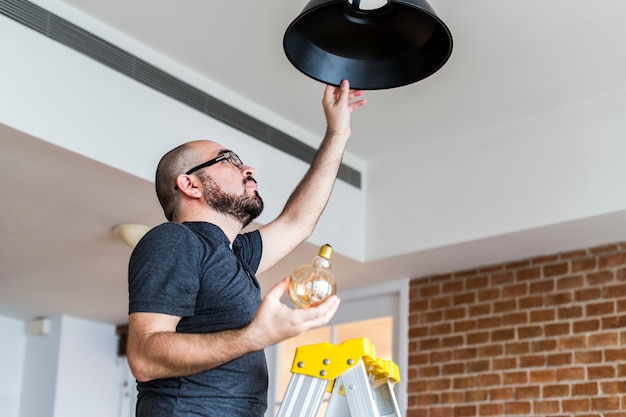
Illuminate your space with the proper lighting. Lighting can transform a room. Combine different types of lighting – ambient, task, and accent lighting – to add depth and warmth. Your interior can also be dramatically transformed by upgrading your light fittings, for example, by adding modern chandeliers or minimalist lamps.
5. Incorporating art and decor
Personalize your space with art and decorative elements. Art elements and other decor are design elements that reflect your personality. Choose pieces that suit your style and give your home character.
Keep rooms open with them, especially if they are small. Sometimes, less is more. Use shelves, walls, and tabletops to display your favorite objects tastefully.
6. Utilizing artificial flowers
They are improving the aesthetics of the rooms with low-maintenance artificial flowers. Artificial flowers offer a glamorous look without regular maintenance.
They come in various styles and colors, so it’s easy to find one that complements your interior theme. Arrange them creatively to add a fresh and lively touch to any room.
7. Maximizing space with smart storage
A common problem in rooms is the ill-considered placement of objects, which leads to cluttered rooms. Efficient storage solutions are essential for a well-organized and functional home.
Choose multifunctional furniture such as sofas with storage space or built-in shelving. Thoughtful storage helps maintain a tidy and spacious appearance, essential for smaller homes.
8. Textiles and fabrics
Brighten up your space with suitable textiles and fabrics. Textiles such as curtains, cushions, and rugs can instantly brighten a room.
They add color, texture, and warmth. Choose fabrics that match your color palette and overall design theme to achieve a cohesive look.
9. Flooring options
Choosing the right flooring for your home can make a memorable difference. Flooring makes a big difference to the look and feel of your home.
Whether you prefer hardwood, tiles, or carpets, choose flooring that complements your lifestyle and interior design. When making your choice, consider durability, maintenance, and comfort.
10. Eco-friendly and sustainable practices
Sustainable interior design practices are a fashion trend and a responsible action. Choose eco-friendly materials, energy-efficient appliances, and sustainable furniture. These choices will contribute to a healthier environment and can be aesthetically appealing and functionally safe.
Conclusion
Renovating your home interior can be a rewarding experience that will add new energy and style to your living space. By following these tips and taking into account your unique needs and preferences, you can create an interior that is beautiful and reflects your personality and lifestyle. Remember, it’s all in the details, so take the time to plan and implement your ideas.
An Appetizing Atmosphere – Visual Merchandising in Restaurants
The first thing any visitor sees when entering a restaurant or café is the visual design and layout of the space. That’s why we’re delving into the visual merchandising of the gastronomic world.
This article is recommended for restaurateurs, designers, and anyone interested in the interplay between food and aesthetic magic. We will explore how strategic visual elements can transform a dining space, enhancing the appearance and overall dining experience.
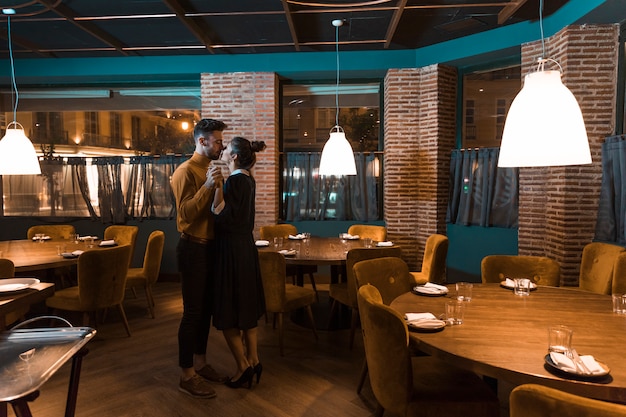
Why does visual merchandising matter in restaurants?
Before we get into specifics, let’s understand why visual merchandising in restaurants is so important. A restaurant environment is not just a dining experience.
It is an integral part of the culinary experience. From the moment a visitor enters a restaurant, every visual element – from the color palette to the lighting – plays a role in setting the mood and reflecting the restaurant’s brand.
Color schemes – setting the mood
Colors have the power to evoke emotions and create the right atmosphere. A well-chosen color palette can complement the cuisine, enhance the appetite, and reflect the restaurant’s theme.
For example, warm tones such as red and yellow can stimulate the appetite, while cool tones such as blue can create a relaxing environment. The key is balance and harmony, in line with your brand identity.
Lighting – more than just illumination
Lighting in a restaurant is for more than just functionality. It certainly sets the scene for enjoying a restaurant meal.
Soft, warm lighting can create an intimate and cozy atmosphere, while bright, excellent lighting is ideal for a lively and energetic atmosphere. Adjustable lighting solutions provide versatility for different times of the day and types of events.
The art of table setting
Table decoration is an indirect reflection of your restaurant’s style and standards. It should be consistent with the overall design theme and the culinary industry. Consider elements such as cutlery, table textiles, and decorative elements that complement each other and enhance the dining experience.
Incorporating technology in visual merchandising
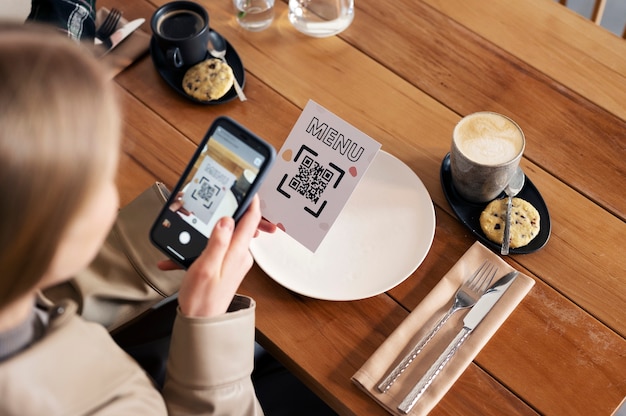
Incorporating technology into the visual merchandising of a restaurant is not just a trend. It is a forward-thinking approach to improving customer engagement and optimizing operations. Let’s explore how technology can seamlessly integrate into restaurant design, offering efficiency and aesthetic appeal.
Digital menu boards – beyond the printed page
Digital menu boards have changed the way restaurants present their offer. These dynamic displays offer more than just daily specials; they visually extend a restaurant’s brand. The benefits are manifold:
- Dynamic content: Menus can be updated in real-time, allowing you to promote daily specials or seasonal items without reprinting them.
- Visual appeal: High-resolution screens can display enticing images of dishes, increasing appeal and influencing customer choice.
- Engagement: Interactive menus can provide detailed information about dishes, including ingredients and nutritional facts, thereby promoting more details on the menu.
Interactive tables – the future of dining
Interactive tables are not only the future technology – they are becoming increasingly popular in modern restaurants. These tables offer:
- Ordering efficiency: diners can browse menus, place orders, and even pay their bill directly from the table, reducing waiting times and streamlining service.
- Entertainment: while waiting for their meal, customers can engage in games or explore the restaurant’s history and offerings through interactive content.
- Personalized experience: These tables can offer customized recommendations based on pre-orders or preferences.
Augmented reality – a new dimension in dining
Augmented reality (AR) in restaurants offers immersive experiences beyond traditional dining. This technology can offer:
- Menu visualization: AR can bring menu items to life, allowing customers to see a 3D representation of the food they are ordering.
- Interactive storytelling: AR can be used to tell the story of a dish or the history of a restaurant, creating a deeper connection with customers.
- Education: For restaurants focusing on unique or exotic cuisines, AR can provide educational content on the origin and preparation of the dishes.
Social media integration – connecting with customers
Incorporating social media-friendly elements into restaurant design encourages customers to share their experiences online, making them brand ambassadors. This includes:
- “Instagrammable” places: Designing visually impactful areas or elements that customers will want to photograph and share.
- “Hashtag” promotion: Promoting brand hashtags with which customers can tag their photos, thereby increasing online visibility and engagement.
Keep trendy – what’s hot in restaurant design?
Keeping up with design trends is essential for restaurants to stay relevant and attractive.
- Sustainability: Sustainability is more than just a trend – it’s a commitment to environmentally friendly design practices. The use of recycled materials and interior landscaping not only reduces the environmental impact but also adds vitality to the interior.
- Minimalism: Minimalism focuses on simplicity and functionality, with clean lines, uncluttered spaces, and neutral color palettes that create a contemporary and elegant look.
- Experience-oriented spaces: Restaurants focusing on a unique atmosphere use themed interiors and interactive elements such as open kitchens to provide an entertaining dining experience.
- Local influence: Celebrating local culture and art, restaurants use local artwork and regional design motifs to foster community and uniqueness.
- Technology-infused design: Smart lighting systems and digital art displays combine technology with the interior, offering an ever-changing visual experience.
Conclusion
At Visualstudio.lv we understand the importance of a well-designed space, whether it’s your home or a restaurant. By implementing these visual merchandising strategies, you will enhance your dining experience and strengthen your brand identity.
Remember that a visually appealing restaurant is about design and interior, and creating an environment where every meal becomes an unforgettable experience. Learn these ideas and watch how they transform your spaces and dining offers.
For more information on interior design trends, follow visualstudio.lv. Together, let’s make every room a unique story.
Featured Articles
Sorry, no posts were found.